Brain-derived vesicles
Brain cells release extracellular vesicles that reach biofluids (e.g. blood, urine, saliva…), carrying molecular cargo from their cell of origin.

Precision diagnostics in brain health
MedPrecis develops extracellular-vesicle biomarker technologies to support earlier, more personalised care in psychiatric and neurodegenerative disorders.
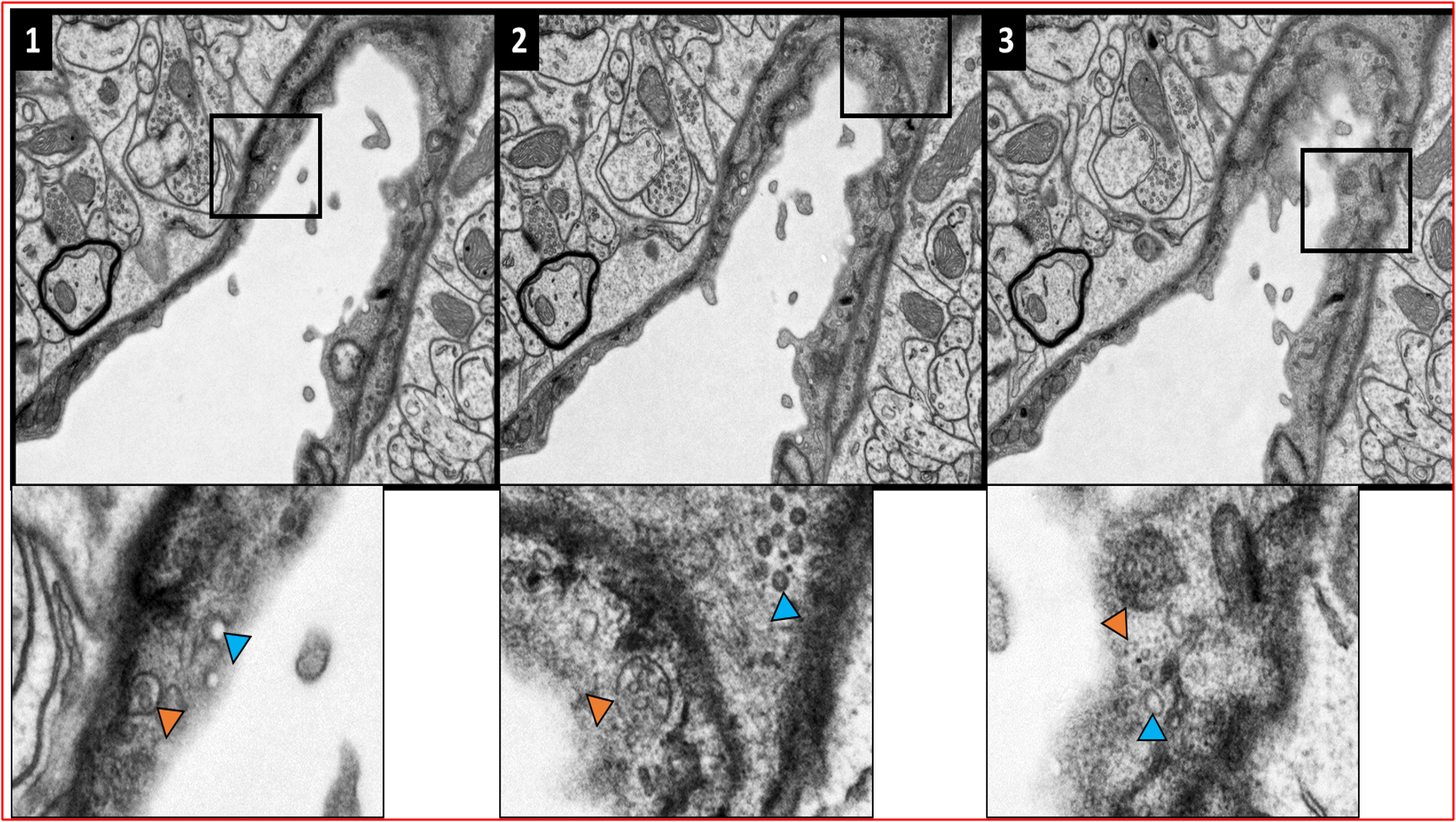
Seen under the microscope
Electron microscopy shows multivesicular bodies releasing exosomes next to brain blood vessels: the biological signal our technology reads.
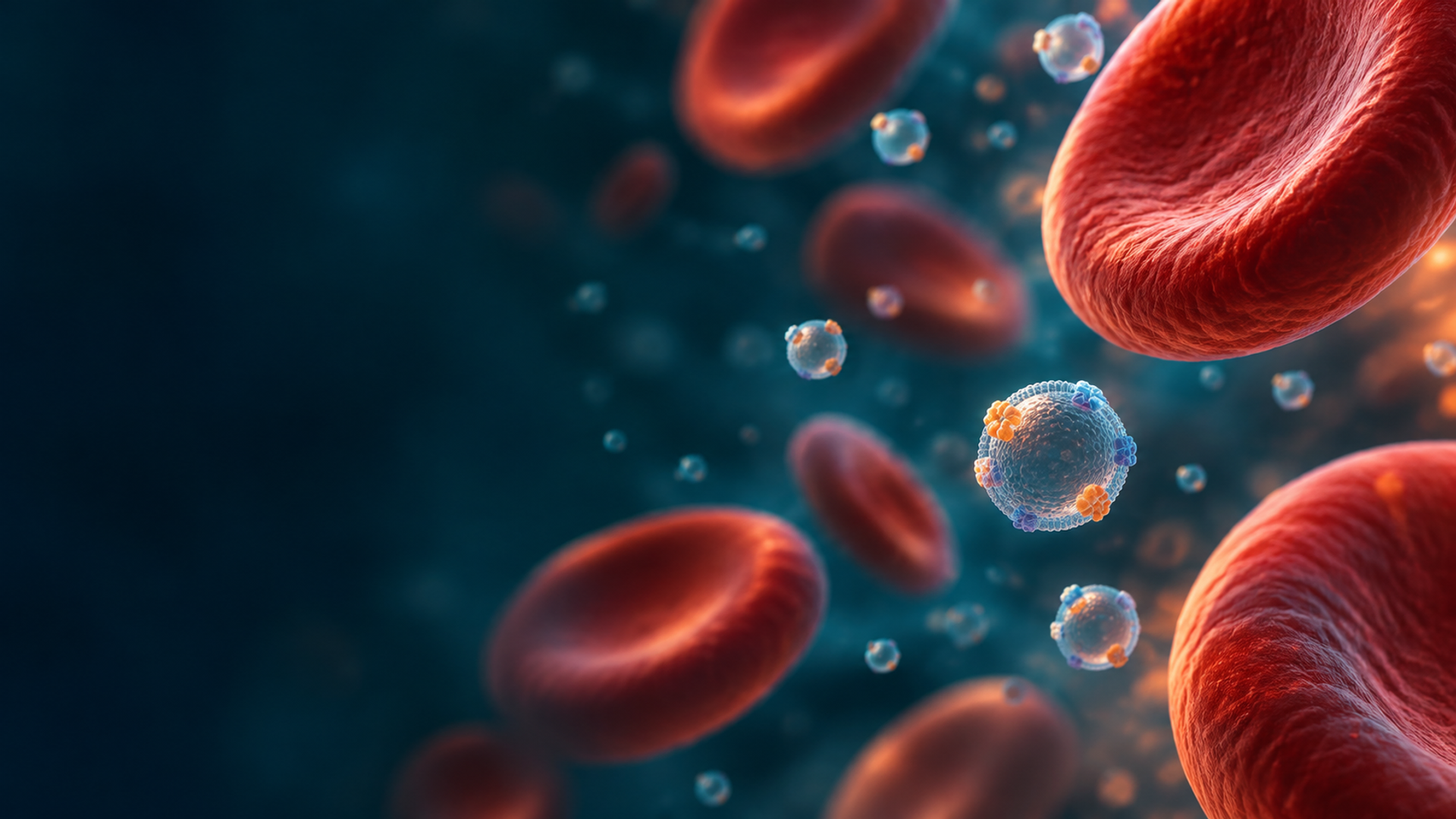
From brain to blood
Vesicles released by brain cells reach the circulation, carrying proteins, microRNA and markers of their cell of origin.

Beyond blood
Extracellular vesicles are found in plasma, serum, urine and saliva, opening the way to simple, less invasive and repeatable sampling.
Our platforms
VESIDX, our indication-agnostic backbone, powers three modules: VESIBRAIN for neurology & psychiatry, VESIPATH for oncology and VESIGEN for systemic diseases.
The problem
Our answer
Earlier detection · Stratification · Treatment guidance
Why it matters
~15%
of the Swiss population is affected by a mental health disorder.
~1 billion
people worldwide live with a mental disorder.
37%
of young people report mental health problems.
Neurodegenerative diseases are a growing challenge as populations age. In Switzerland, Alzheimer’s disease is the most common form, followed by Parkinson’s disease.
Source: World Health Organization (WHO).
Our approach
We translate advances in brain biology into biomarker solutions that support diagnosis, patient selection and therapeutic development, always alongside clinical expertise.
Brain cells release extracellular vesicles that reach biofluids (e.g. blood, urine, saliva…), carrying molecular cargo from their cell of origin.
Proteins and microRNA are measured from the same enriched vesicle fraction.
Particle normalisation, calibration curves, controls and batch tracking at every step.
Discover our technology →Already delivered as a paid analysis service in real-world research and clinical programmes, for leading academic centres and pharmaceutical partners.
Patent families filed in Switzerland and the United States since 2019, covering key biomarkers, methods and clinical applications.
An international network of clinicians and scientists supports validation and adoption.
Meet the team →Our platforms
VESIDX, our indication-agnostic backbone, powers three disease-focused platforms, from brain disorders to systemic health.
Indication-agnostic backbone
The common vesicle-analysis foundation behind every MedPrecis platform, also available as a flexible custom-detection solution for research and quality-control protocols.
Discover VESIDX →Neurology & psychiatry
A companion test that brings brain-derived vesicle biomarkers into the assessment of psychiatric and neurological disorders.
Discover VESIBRAIN →Oncology
Extracellular-vesicle analysis to explore the biological pathways of complex diseases, especially cancer.
Discover VESIPATH →Systemic & multi-organ
A systemic view of health, using vesicles as messengers that reflect the state of organs and cells.
Discover VESIGEN →Applications
Identify biologically meaningful patient subgroups to support precision-oriented clinical research.
Study molecular changes associated with therapeutic interventions and potential response biomarkers.
Connect mechanistic neuroscience with biomarker discovery and clinical validation.
Events
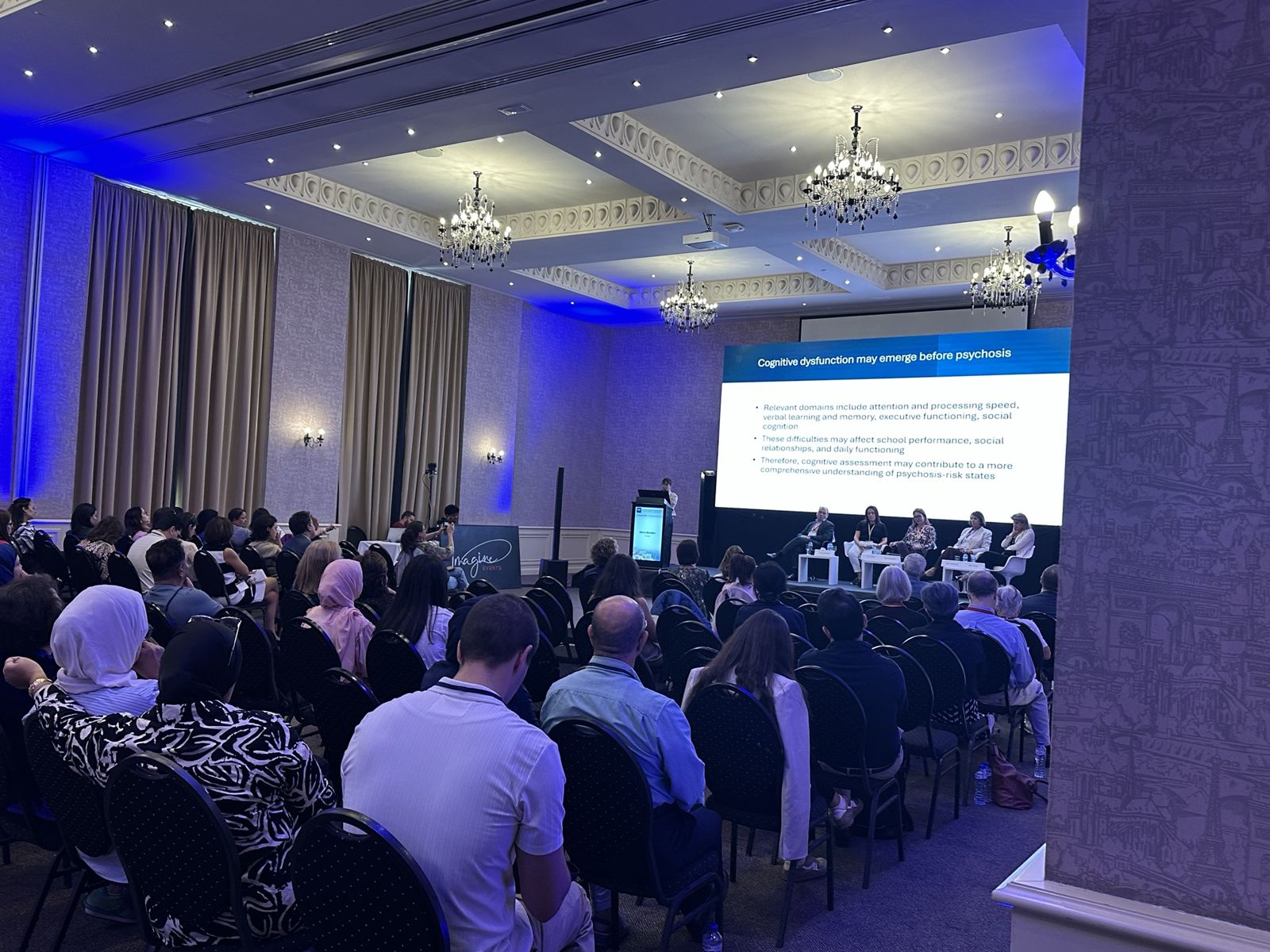
From help-seeking to precision medicine · 23–25 October 2026 · Tunis
We work with academic researchers, clinical investigators, pharmaceutical companies and innovation partners to advance biomarker-driven neuroscience.